

Consular Processing Lawyer | Immigrant Visa Applications | Nationwide Representation
Applying for an immigrant visa through a U.S. embassy or consulate abroad? An experienced attorney can guide you through the consular processing journey.
At Marcano Legal, Grace Marcano, Esq. represents families and individuals navigating the consular processing pathway to permanent residence. Whether your approved petition is family-based (I-130) or you need guidance on NVC procedures, document preparation, or interview readiness, we provide step-by-step legal support.
Immigration law is federal, so we represent clients in all 50 states through virtual consultations — and coordinate with beneficiaries abroad throughout the process.
📞 (786) 314-7330 · WhatsApp us at (786) 645-5370
Schedule a Personalized Consultation Today
Schedule a consultation to discuss your consular processing case. We guide petitioners in the U.S. and beneficiaries abroad through every stage.
What Is Consular Processing?
Consular processing is the method by which individuals outside the United States obtain an immigrant visa at a U.S. embassy or consulate in their home country or country of residence. It is one of two pathways to lawful permanent resident status (the other being adjustment of status, which is filed from within the U.S.).
This process is used when the beneficiary of an approved immigrant petition (such as Form I-130, Petition for Alien Relative) is living abroad or is otherwise ineligible to adjust status within the United States. After the petition is approved, the case is forwarded to the National Visa Center (NVC) and eventually to the appropriate U.S. embassy or consulate for interview and visa issuance.
Consular processing requires careful coordination between the petitioner in the U.S. and the beneficiary abroad, with strict deadlines for document submission and fee payments. Missing a deadline or submitting incomplete documents can cause significant delays — in some cases, pushing your interview back by months. An experienced immigration attorney ensures that your case moves through each stage efficiently.
Common situations that require consular processing include: a spouse living abroad awaiting a marriage-based green card, parents of U.S. citizens who reside in their home country, and beneficiaries who are ineligible for adjustment of status because they entered the U.S. without inspection or violated their visa status.
Key Steps in the Consular Processing Timeline
The consular processing journey involves several stages, each with its own requirements:
- Step 1 — Petition approval: Your U.S.-based petitioner files Form I-130 (or other qualifying petition) with USCIS. Once approved, USCIS transfers the case to the National Visa Center.
- Step 2 — NVC processing: The NVC assigns a case number and invoice ID. You must pay the immigrant visa processing fee and the Affidavit of Support fee through the CEAC portal.
- Step 3 — Document submission: Submit Form DS-260 (Immigrant Visa Application) online, along with civil documents (birth certificates, marriage certificates, police clearances, etc.) and the Affidavit of Support (Form I-864).
- Step 4 — Medical examination: The beneficiary must complete a medical exam with a USCIS-designated panel physician in their country. The exam includes a physical examination, review of vaccination records, and required lab tests.
- Step 5 — Visa interview: Attend an in-person interview at the U.S. embassy or consulate. A consular officer reviews your documents, asks questions about your petition, and makes a visa determination.
- Step 6 — Visa issuance and entry: If approved, you receive a sealed immigrant visa packet. Upon entering the U.S., you present this packet to Customs and Border Protection and are admitted as a lawful permanent resident. Your physical green card is mailed to your U.S. address.
Processing times vary by embassy, visa category, and country of chargeability. Check Department of State wait times for current estimates.
Consular Processing vs. Adjustment of Status
When seeking permanent residency, the pathway depends on where the beneficiary is located, their immigration history, and their current status. Choosing the wrong pathway can result in long delays, visa bars, or even the loss of eligibility. Here is a comparison of the two options:
Consular Processing
- For beneficiaries outside the United States or those who are ineligible to adjust status
- Interview takes place at a U.S. embassy or consulate abroad
- May be faster in certain cases, depending on embassy wait times
- Required for beneficiaries who entered the U.S. without inspection and do not qualify for an exception
- The beneficiary must travel to the embassy for the interview
Adjustment of Status
- For beneficiaries already in the United States with a valid basis to adjust
- Filed using Form I-485 with USCIS
- Allows the beneficiary to remain in the U.S. during processing
- May include work authorization (EAD) and advance parole while pending
- Requires lawful entry in most cases (with limited exceptions for immediate relatives of U.S. citizens)
Choosing the right pathway is a critical decision. Grace Marcano, Esq. evaluates each client’s situation to determine which option is appropriate and strategically advantageous.
Contact our law firm today to start building your Consular Processing Strategy.
If you are navigating consular processing, contact Marcano Legal to discuss your case with Grace Marcano, Esq.
📞 (786) 314-7330 · WhatsApp us at (786) 645-5370
Frequently Asked Questions About Consular Processing
Processing times vary based on the visa category, the specific embassy or consulate, and the country of chargeability. After the petition is approved, NVC processing typically takes several months. Embassy interview wait times vary widely. For current estimates, check the Department of State visa appointment wait times.
Required documents generally include: Form DS-260 (completed online), civil documents (birth certificates, marriage certificates, divorce decrees if applicable), police clearance certificates from every country where the beneficiary lived for 12 months or more after age 16, Affidavit of Support (Form I-864) with financial evidence, passport-style photographs, and medical examination results from a designated panel physician. Specific requirements may vary by embassy.
The Affidavit of Support (Form I-864) is a legally binding contract in which the U.S.-based petitioner (sponsor) agrees to financially support the immigrant at 125% of the federal poverty guidelines. This is required for most family-based immigrant visa applications. If the petitioner’s income is insufficient, a joint sponsor may be used. The obligation generally continues until the immigrant becomes a U.S. citizen, earns 40 qualifying quarters of work, leaves the U.S. permanently, or passes away.
Yes. Common reasons for visa refusal include incomplete documentation, failure to meet the Affidavit of Support requirements, criminal history, health-related inadmissibility, previous immigration violations (such as prior unlawful presence), or concerns about the validity of the underlying relationship. Some grounds of inadmissibility can be overcome with a waiver. An attorney can help you anticipate and address potential issues before the interview.
If the beneficiary was previously unlawfully present in the U.S. for more than 180 days, they may face a 3-year or 10-year bar from re-entering the country when they depart for their consular interview. The 3-year bar applies to unlawful presence of 180 days to 1 year; the 10-year bar applies to unlawful presence of 1 year or more. In some cases, a waiver (Form I-601 or I-601A provisional waiver) may be available. This is a critical issue that must be evaluated before leaving the U.S. for the interview.
Generally, only the beneficiary (visa applicant) is required to attend the consular interview. However, the petitioner may be permitted to attend depending on the embassy’s policies. In marriage-based cases, some consulates encourage or require the petitioner’s presence. Your attorney can advise on what to expect at your specific embassy.
Once your immigrant visa is approved, the embassy issues a sealed visa packet. You must enter the United States before the visa expiration date printed on it (typically within 6 months). At the U.S. port of entry, a CBP officer opens the packet, reviews your documents, and admits you as a lawful permanent resident. Your physical green card is mailed to your U.S. address within several weeks of entry.
Government Agencies Involved in Consular Processing
Consular processing involves coordination between multiple federal agencies:
- U.S. Citizenship and Immigration Services (USCIS) — Reviews and approves the underlying immigrant petition (Form I-130 or I-140) before the case moves to the NVC
- National Visa Center (NVC) — Collects fees and documents, processes the case, and forwards it to the appropriate U.S. embassy or consulate when documentarily complete
- U.S. Department of State — Operates U.S. embassies and consulates abroad, schedules and conducts immigrant visa interviews, and issues immigrant visas
- U.S. Customs and Border Protection (CBP) — Inspects and admits the immigrant at the U.S. port of entry, activating their lawful permanent resident status
Marcano Legal monitors your case across all of these agencies, responds to requests for additional evidence, and prepares you for every stage of the process.
Why Choose Marcano Legal for Your Consular Processing Case?
Immigration law is federal — your attorney can represent you from anywhere in the country.
- Nationwide representation — we serve petitioners in all 50 states through virtual consultations and coordinate directly with beneficiaries abroad throughout the NVC and consular interview stages
- Direct attorney access — you work with Grace Marcano, Esq. directly, not a paralegal or call center
- Full document preparation — we prepare and review all NVC submissions, DS-260 applications, Affidavits of Support (Form I-864), and civil documents to ensure completeness before submission
- Interview preparation — we prepare beneficiaries for the consular interview, including common questions, document organization, and what to expect at the specific embassy
- Waiver guidance — if the beneficiary faces potential inadmissibility issues (such as unlawful presence bars), we evaluate waiver options and prepare the necessary applications
- Bilingual service — full representation in English and Spanish (se habla español)
- Available by phone and WhatsApp — Call (786) 314-7330 or WhatsApp us at (786) 645-5370
For current immigrant visa fees, visit the Department of State fee schedule. For I-130 petition fees, visit the USCIS Fee Calculator.
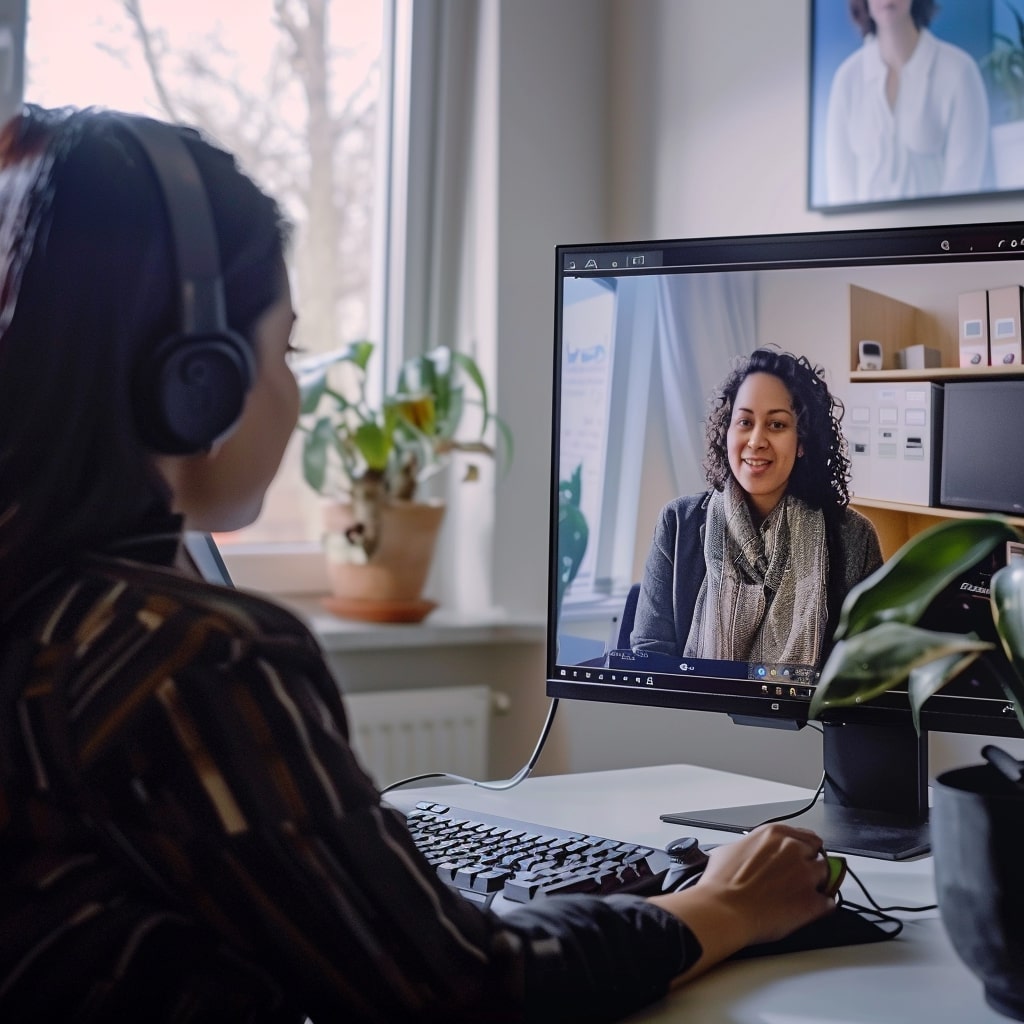
Virtual Consultation: Ready to Begin Your Consular Processing?
Contact Marcano Legal to schedule a consultation and start your consular processing case. Grace Marcano, Esq. represents petitioners and beneficiaries nationwide.
📞 (786) 314-7330 · WhatsApp us at (786) 645-5370
Disclaimer: This website contains general information for educational purposes only and does not constitute legal advice. No attorney-client relationship is formed until a formal agreement is signed. Past results do not predict future outcomes. Each case depends on its specific facts and circumstances.