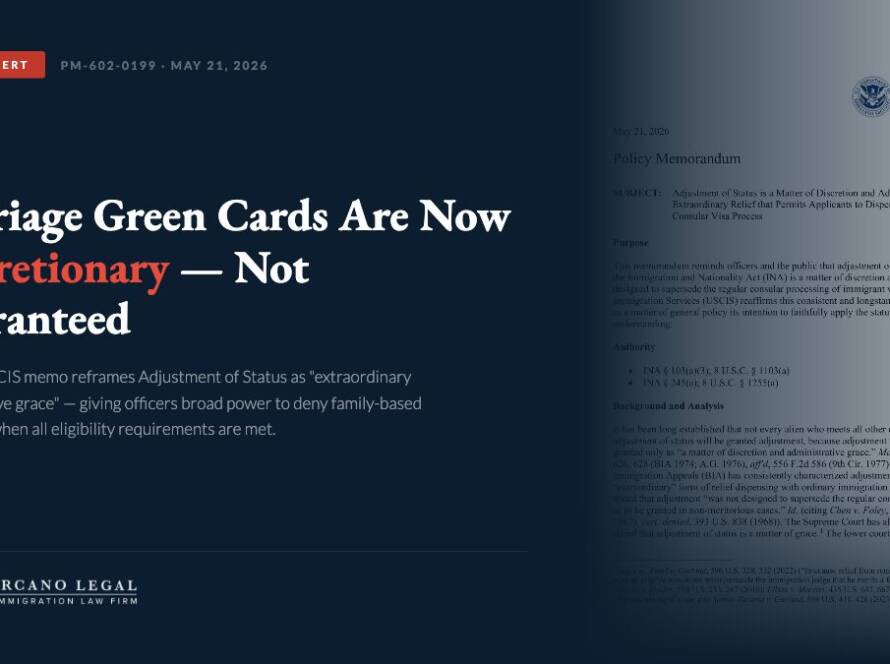
Family-Based Green Card Process: A Practical Guide for 2025
Keeping your family together in the United States often means understanding the family-based green card process. With expected changes in 2025, this guide outlines everything you need to know about green card eligibility, visa categories, and application steps. By staying informed, you can navigate the complexities of U.S. immigration policies and make the right choices for your family.Overview
The family-based green card process allows U.S. citizens and lawful permanent residents to sponsor eligible family members for immigration. Staying updated with the monthly Visa Bulletin is crucial to understanding where your application stands.Who Qualifies?
U.S. Citizens Can Sponsor:
- Spouse
- Unmarried children under 21
- Parents
- Married children
- Siblings
Permanent Residents Can Sponsor:
- Spouse
- Unmarried children (any age)
Green Card Categories and Visa Bulletin
Immediate Relative Visas:
These visas are not subject to annual caps, making them quicker to process.Family-Based Preference Categories:
| Category | Relationship | Current Wait Time |
|---|---|---|
| F1 | Unmarried adult children of U.S. citizens | Check priority dates |
| F2A | Spouses and children of permanent residents | Visa bulletin dependent |
| F2B | Unmarried adult children of permanent residents | Longer wait times expected |
| F3 | Married children of U.S. citizens | Final action date applies |
| F4 | Siblings of U.S. citizens | Extended wait times likely |
Adjustment of Status vs. Consular Processing
Adjustment of Status (AOS):
- Who Qualifies: Individuals already in the U.S. with valid nonimmigrant status.
- Benefits:
- Work authorization during the process.
- May allow applicants to avoid international travel.
Consular Processing:
- Who Qualifies: Applicants currently outside the U.S.
- Process:
- Conducted through a U.S. consulate or embassy.
- Requires interviews and additional documentation.
Changes Coming in 2025
- Visa Categories: Updates to family-based preferences may affect processing times.
- Financial Requirements: Sponsors may face updated income thresholds.
- Processing Timelines: Faster adjudication is anticipated for certain categories.
Applying Based on Your Priority Date
Steps to Follow:
- Verify Priority Date: Use the monthly visa bulletin to check visa availability.
- Gather Documents:
- Proof of relationship.
- Financial support evidence.
- Identification and supporting documents.
- Submit Your Application: Follow category-specific guidelines to ensure timely filing.
Find Out How to Navigate the Family-Based Green Card Process
FAQs About Family-Based Green Cards in 2025
A family-based green card allows U.S. citizens and lawful permanent residents to sponsor certain family members for immigrant visas. In 2025, the process involves submitting an immigrant visa petition using Form I-130, which establishes the qualifying relationship. Eligible relatives include spouses, children, parents, and siblings. Once the petition is approved, applicants may apply for a green card either through adjustment of status if they are in the U.S. or through consular processing if they are outside the U.S.
The family-based visa categories include two main groups: Immediate Relative and Family Preference categories. The Immediate Relative category has no cap on the number of visas issued and includes spouses, unmarried children under 21, and parents of U.S. citizens. Family Preference categories, however, are limited in number and include unmarried sons and daughters of U.S. citizens, married sons and daughters of U.S. citizens, and siblings of U.S. citizens, among others. Each category has different wait times and priority dates.
The visa bulletin is crucial for family-based green card applicants as it indicates when visas are available in each category. It provides final action dates and dates for filing for various visa categories. For applicants, understanding the visa bulletin helps determine if their priority date is current, which is essential for proceeding with their green card application.
The process starts with filing Form I-130 by a U.S. citizen or permanent resident sponsor. After approval and once the priority date is current, the beneficiary applies for the immigrant visa (if outside the U.S.) or for adjustment of status (if already in the U.S.). Applicants submit required forms, supporting documents, and attend an interview. Upon approval, the beneficiary receives a green card and becomes a lawful permanent resident.
Need Legal Help?
Attorney Grace Marcano offers free consultations for immigration cases.